


February 6, 2026
When you don't "click" with a client
You probably know the situation: you started a coaching process and it feels awkward and clunky and you just don’t seem to be able to get a hold of your usual “mojo”. The client might be happy and saying that they are enjoying the session, but secretly you are not believing them. You find yourself mulling over the sessions trying to find out what is going wrong and what you can do to change it. After all, you want to deliver best service.
The conscientious, diligent and curious coaches who are interested in constant development are most likely to fall into the multiple traps that this situation offers.
Trapdoor 1: Looking for reasons
You might start looking for the “why” of the unfortunate situation. You start thinking that you are having a bad experience because the client belongs to a different culture, gender or age group and that you “generally” have trouble coaching this demographic. You go down the rabbit hole of exploring generalities and figuring out your biases. Now, there is nothing wrong with reflecting on our biases, but the consequence here is that instead of thinking about concrete people and situations you generalize and make the problem bigger. It is no longer about Masha from Russia that you don’t click with but “Russian women between 50-60”.
Trapdoor 2: Overblown expectations
We don’t click with everyone and we should not expect of ourselves to have fun, mojo and cool and easy sessions with all of our clients. Coaching is a conversation and we need to relearn what works to have a productive conversation with every new client. Rather than expecting smooth sailing every time, we might use the clunky coaching processes to sharpen our conversational skills by collaboration and experimentation.
Trapdoor 3: We think it is all on us
Public service announcement: You are not the only person in the coaching room. I know, you are surprised, but actually, there is another person, too. When the coaching is not “working” it is almost always something that is between coach and client and not only within the remit and responsibility of the coach. The flip side of this is that we can partner with the client and ask what they would like different. If they don’t want anything different, we could still share our feeling of “clunkiness” (or whatever we are observing) and check in with the client to potentially design experiments to improve the situation.
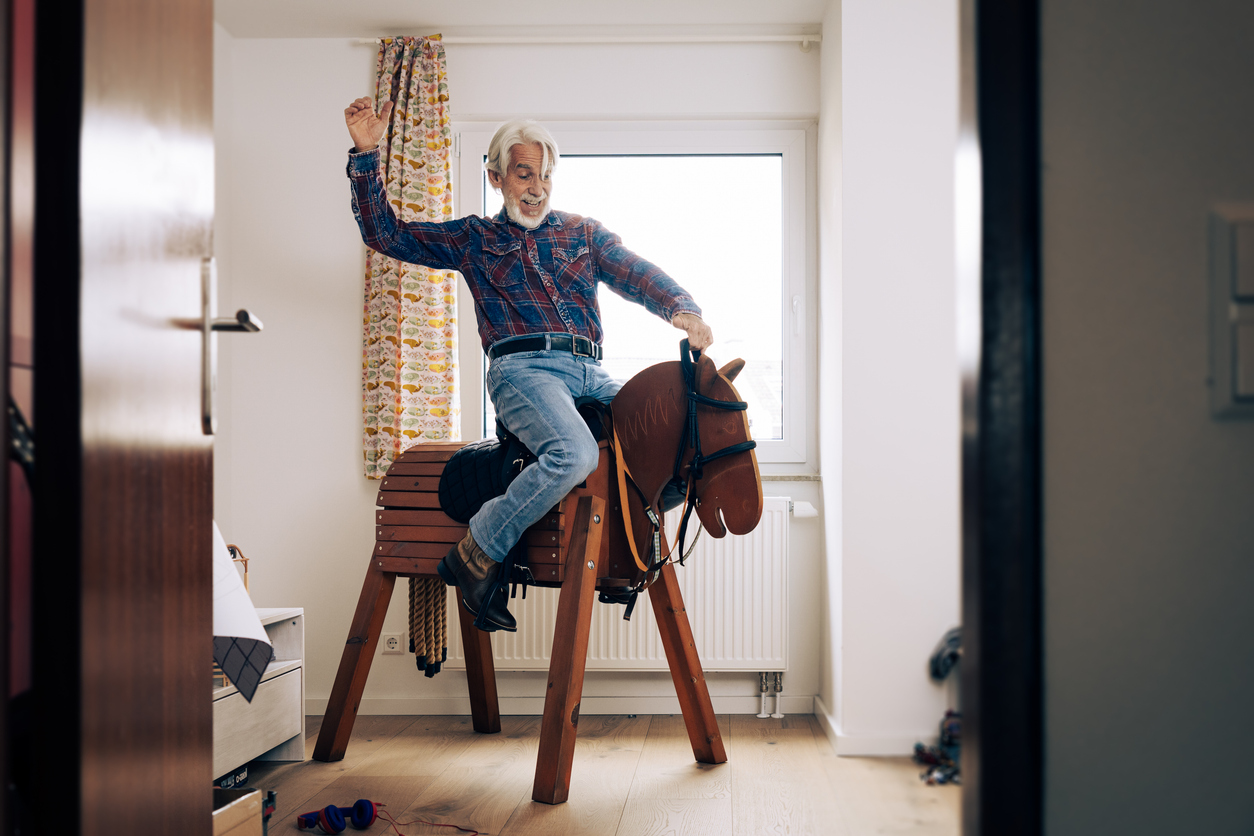
Trapdoor 4: We ride dead horses
Who says we have to coach everyone? If you are not having fun and you feel the client could be helped better by someone who would have fun (i.e. is a better fit), you don’t have to continue with the coaching process (unless you have starving children to feed). I think that it is very professional to take care of our wellbeing as a coach. When we see a client in the agenda and immediately want to report sick, get caught in traffic or find another excuse to not coach, we are probably not the right coach for them.
Now, does that happen often? In my 30 years of experience as a coach, this happened 2 times. One time I surfaced my feeling only to learn that the client had been forced to attend the coaching and really did not want to be there. We bonded over our shared experience, had a great laugh and re-contracted for something useful for the client. The other time, I ended the coaching relationship recommending a colleague who I saw as the better fit. Both the client and the colleague later reported that this was the right choice and thanked me for it.
If you want to join us for these or similar explorations, why not join one of our free meetups and exchanges?


